






BLACK MONEY
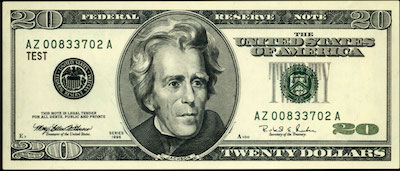
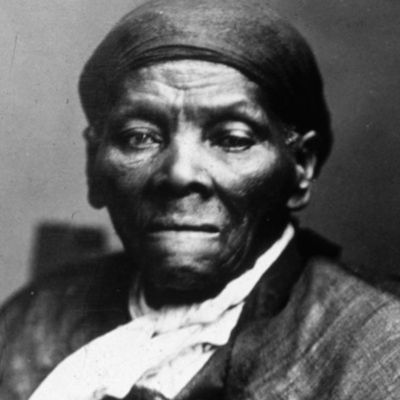
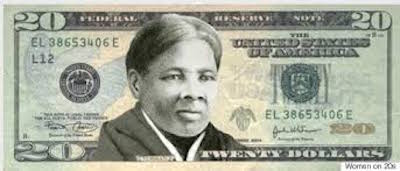
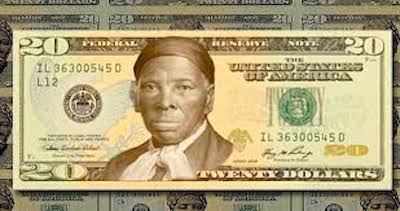
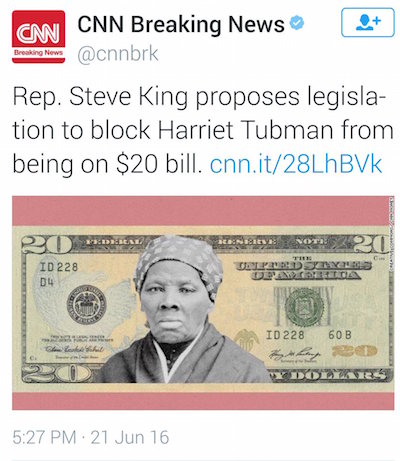
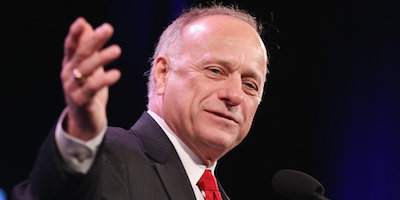
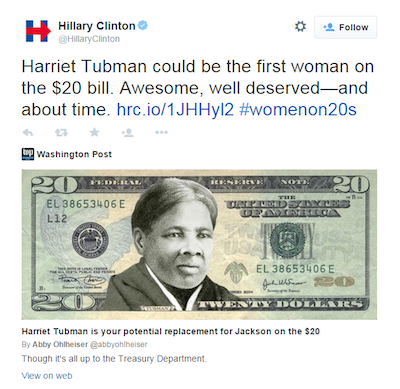
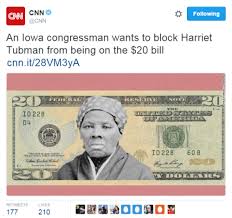
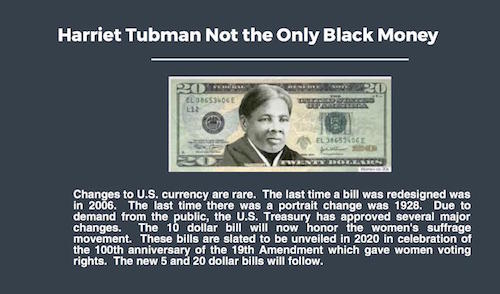
When the U.S. Treasury announced in April that Harriet Tubman would be the new face of the $20 bill, it became national news. Oprah cheered, “I love it” while Iowa Congressman Steve King called the bill “racist” and moved to have it blocked. As monumental as the news may be, Tubman is not the first African-American on U.S. money. In fact, historic black figures have been depicted on U.S. commemorative coins for at least 70 years.
These coins, which have gone unnoticed even by avid collectors, have become a focus of the traveling exhibit entitled “For the Love of Money: Blacks on U.S. Currency” and part of an online collection of African-American history called the Museum of Uncut Funk.
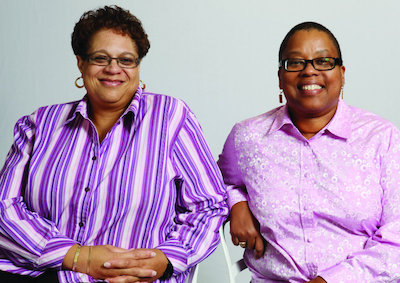
Pamela Thomas, co-curator of the museum, was “in a state of shock” when the Treasury announced Tubman would be the new face of the $20 bill. Upon hearing the news, Thomas rushed out to make sure their exhibit had every black coin and African-American themed currency ever made predicting the Tubman bill would inspire more interest in their collection.
The Making of the Museum
“
Historic black figures have been depicted on U.S. commemorative coins for at least 70 years.”
“We needed to be reminded that she was a freedom fighter,” says Thomas. “She risked her life to save the lives of others. And sometimes we tend not to look back on how we got to where we are.”
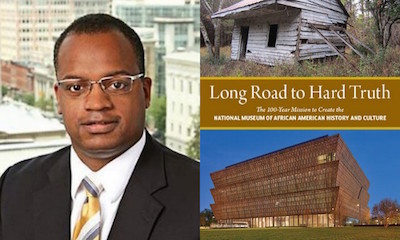
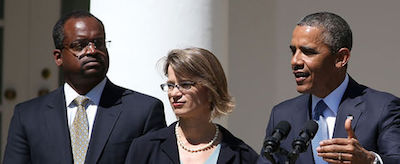
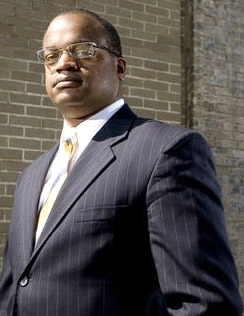
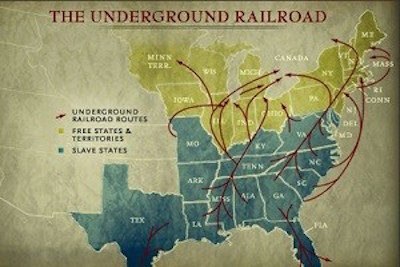
D.C. Judge, Robert L. Wilkins, who served on the Presidential commission that planned the Smithsonian Museum of African-American History and Culture, said you can’t tell African-American history without including Harriet Tubman. She was the escaped slave and leader of the Underground Railroad which freed southern slaves by providing them safe passage to the North. During the Civil War, she was a spy for the Union and the first woman to lead an armed expedition in the war. Her fight continued, after slavery was abolished, Tubman fought for women’s rights. “It’s great to honor past presidents and Benjamin Franklin, a founding father,” said Wilkins. “But Harriet Tubman was a founding mother in a sense that she was this incredibly heroic and brave figure who played such an important role in changing this union that changed this country for the better.”
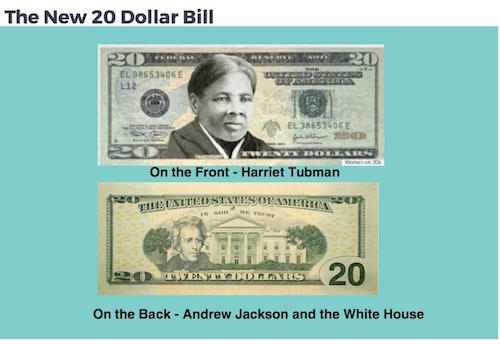
Bills featuring Tubman, won’t be arriving anytime soon. The prototype will be unveiled in 2020, but will have to undergo stringent security testing to thwart counterfeiters. After the Federal Reserve approves the bills, the Treasury intends to circulate the new Tubman as soon as possible. The current face of the $20, President Andrew Jackson, will be relegated to the back of the bill, along with an image of the White House. Once the Tubman bill starts circulating, she will join a long line of historic black figures to appear on American money.
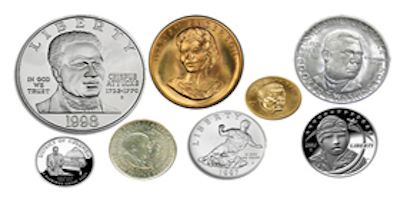
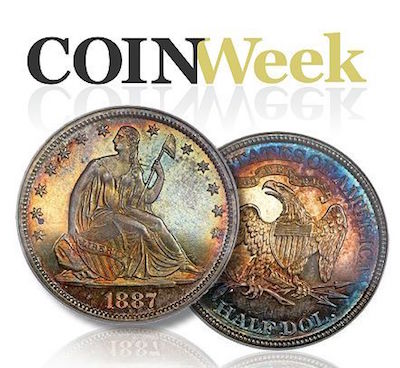
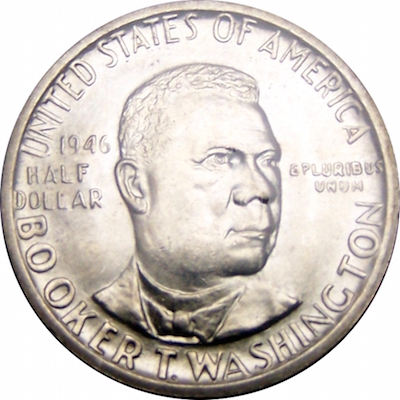
“The first coin that was publicly known that was struck with an African-American likeness was the 1946 Booker T. Washington half dollar,” said Charles Morgan, editor of CoinWeek.com, one of the largest coin collecting websites in the U.S. “Now this coin wasn't made for circulation, so it wasn't a coin that people typically would spend. But it was a coin made for a collector. And it was sold for the price of above face value of the coin. It was actually instigated by an African American entrepreneur who thought that the coin would be so popular in the Black community that they would sell over a million of these.”
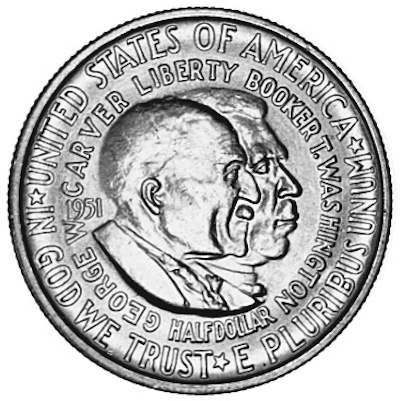
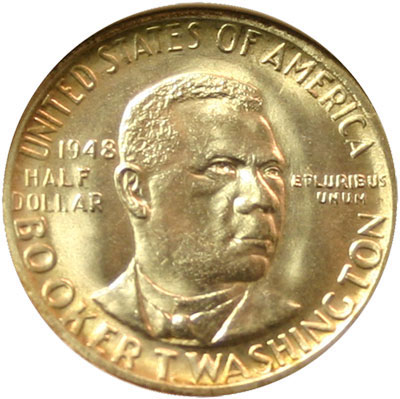
Booker T Washington’s commemorative silver dollar didn’t generate much interest. Of the 2.4 million coins produced, 1 million were returned, melted down and repurposed to make the George Washington Carver/Booker T Washington commemorative silver dollar. Why would another coin be approved when the first one did so poorly? Morgan says it was communism. At a time when the U.S. was at the height of the Red Scare, the nation went into a frenzy trying to identify those fringe groups or subversive individuals who might be attracted by communist ideals.
“The argument was that the threat of communism spreading throughout the country was so great that black people in particular would be susceptible to it,” said Morgan. “So they needed to create a coin for the black community that promoted Americanism. What does Americanism mean to a community that isn't being included in the neoliberal idea of America. So in some respects I think you have to look back at this coin and understand it as a sign of the times it was created.”
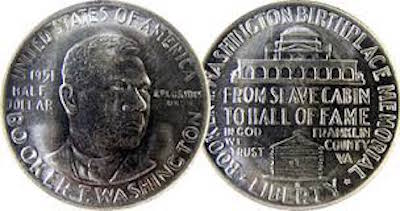
Clearly this tactic worked. In 1951, the real life friends, Carver and Washington, received what would be the last commemorative coin of any kind until the 70s.
From 1978 to 1999, opera singer Marian Anderson, boxer Joe Louis, trumpeter Louis Armstrong , journalist, activist and NAACP leader Roy Wilkins and gold medalist Jesse Owens all received commemorative medals or medallions. Marian Anderson received two. The 90s saw individual honors to General Colin Powell, baseball great Jackie Robinson, Nelson Mandela, Rosa Parks and the first black female aviator Bessie Coleman. In the 2000s, commemorative coins were created for historic moments including a Brown v. Board of Education medal, Tuskegee Airman medal, Little Rock Central High School Desegregation silver dollar. The Museum of Uncut Funk is in possession of all 38 commemorative coins, medals, medallions and bonds featuring African-Americans.
“These are folks that as black people you hold near and dear because they're your history icons,” said Loreen Williamson, Thomas’ partner in operating the Museum of Uncut Funk.
“To know that they've been commemorated in such a way with the best of what this country has had to offer historically is really important,” Williamson said. “It's important for folks to know that. It's important for black kids to see that.”
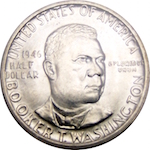
Booker T Washington
voice of Charles Morgan
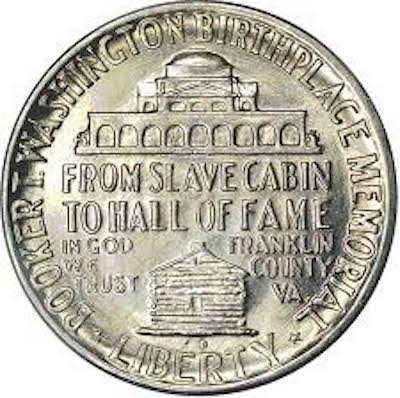
Booker T Washington received a commemorative coin in 1946. The first African American to be honored in this way, revenue from his coin was meant to restore his childhood home.
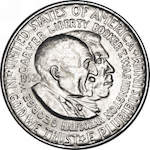
Washington/Carver
voice of Loreen Williamson
Unsold Washington coins were returned, melted down and turned into the Booker T Washington /George Washington Carver coin also meant to make money for charity.
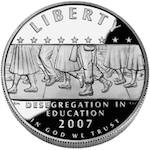
Little Rock Nine
voice of Charles Morgan
The Little Rock Nine coin honors the brave African-American students who fought desegregation. In 1957,they braved protestors and the National Guard to be the first blacks to attend Little Rock Central High.
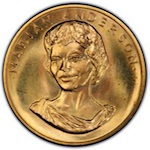
Marian Anderson
voice of Loreen Williamson
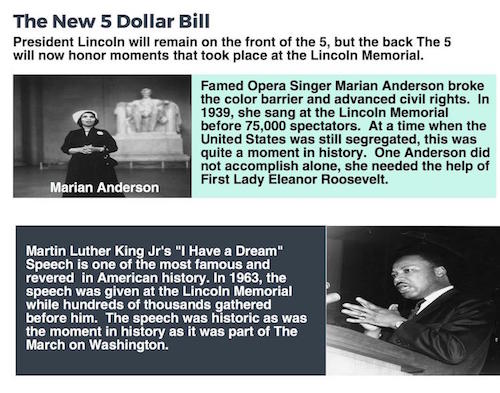
Famed Opera singer Marian Anderson crossed color lines. Though she was unable to use the bathroom at the opera house, internationally she was a superstar. She is slated to be on the back of the $5 bill.
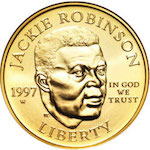
Jackie Robinson
voice of Charles Morgan
Jackie Robinson was the first African-American to play major league baseball during a time when many didn't think negroes and whites should play in the same league on the same field.
Williamson speaks with pride and wisdom these days, but the reality is until recently she had no idea black people had ever been on money either. She recalls her partner Thomas bringing it to her attention. Neither of them knew despite their grandparents being amateur coin collectors. Their fascination with this newly acquired bit of history is what gave birth to their traveling exhibit on black currency in the U.S.
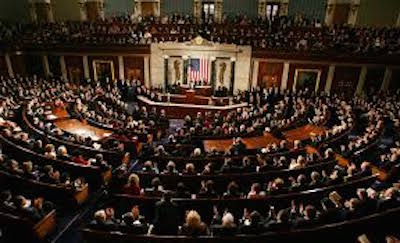
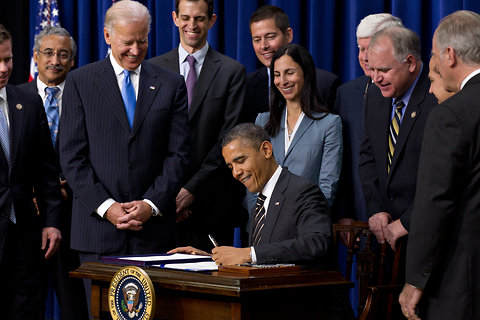
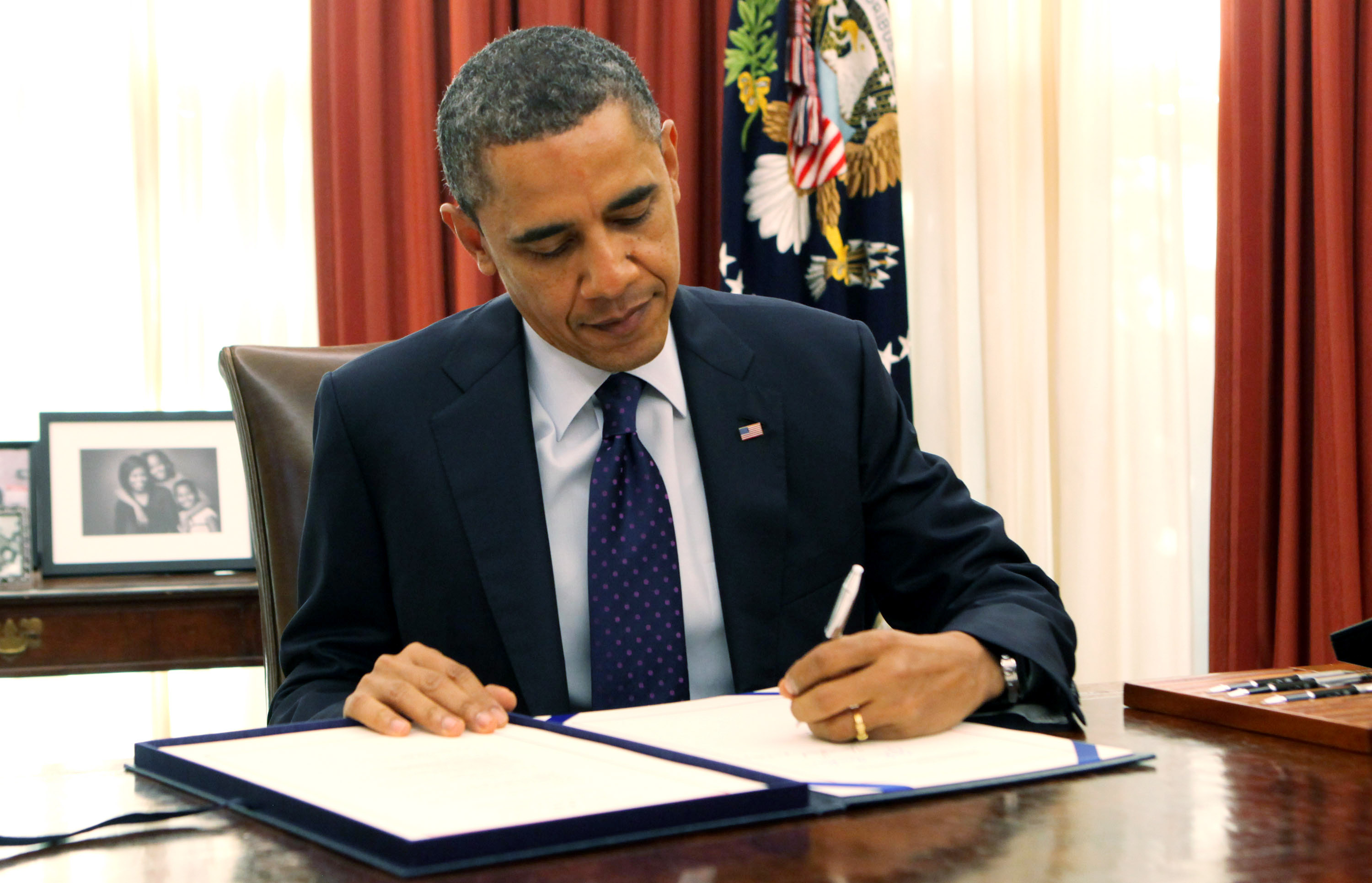
Williamson said one of the most fascinating aspects is the process required to mint even a commemorative coin. “It's actual legislation that has to start in the House or the Senate and to be approved by Two-Thirds of Congress or Senate, then signed by a sitting President.”
Celebrating Marian Anderson
Many of the coins and medallions are made of gold, but Williamson is not concerned with their monetary value. “The value to us is the historic importance of them. The Jackie Robinson $5 gold coin, the Marian Anderson gold medallion, the Louis Armstrong gold medallion those have some value to it. But the other ones start to become valuable as they get older and they're harder to find. Marian Anderson is kinda hard to find because it was done in 1978.”
Just what is a 1978 Marian Anderson worth? THE 1980 Marian Anderson Gold Medallions, made from ½ ounce of solid gold, are SELLING from $895 – $1290 on Ebay.
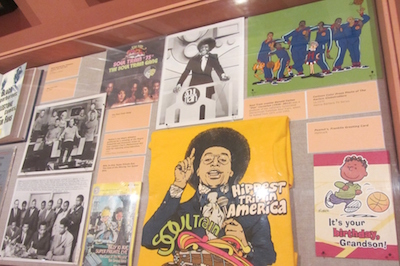
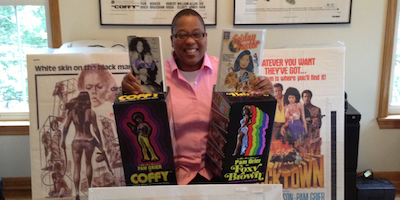
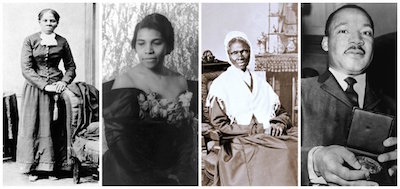
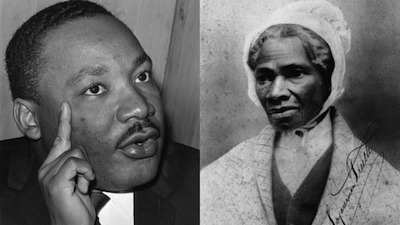
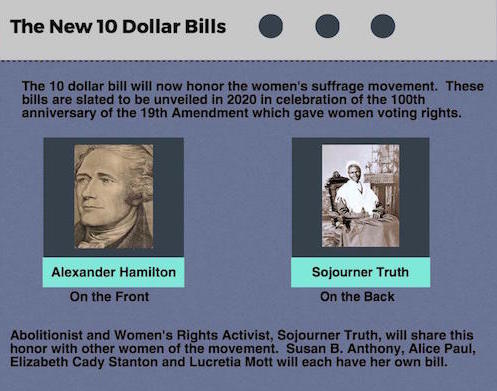
Despite having an impressive coin collection, Williamson and Thomas consider themselves art curators not collectors. When these young baby boomers closed their brick and mortar art gallery in New Jersey, neither could predict it would give birth to the online Museum of Uncut Funk. In addition to their coin exhibit, Thomas and Williamson are believed to have the most extensive collection of 70s black animated art in the country. They look forward to adding the new Tubman $20 bill which is to be followed by African-American Women’s rights activist Sojourner Truth who will adorn the $10 bill, opera singer Marian Anderson will be on the back of the $5 as will Martin Luther King Jr.
Whether coin collector or art collector, the consensus was the same. Americans don’t seem to know that black money exists. The history connected to these coins is rich. The legislation behind them is fascinating. And with the coming of blacks on paper currency, the conversation may be worth its weight in gold.
The Obama Coins